If you’re wondering “What can Genspark Claw actually do?”, this is my hands-on summary based on my experience starting March 16, 2026. While I’m still exploring all capabilities, I want to share what I’ve learned so far.
Claw is an execution-style agent: you give instructions in chat, and an AI runs tasks for you on a dedicated Genspark Cloud Computer. Think of it as an AI remotely operating a cloud Linux desktop on your behalf.
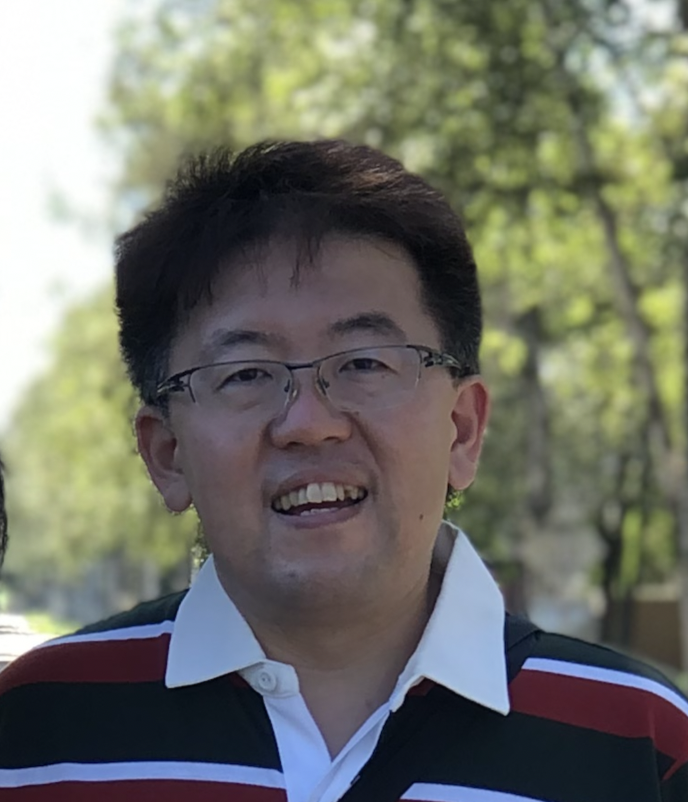
Hiroshi is a Tokyo-based project manager specialising in international operations within the global MedTech company. Originally from Hokkaido, he holds a postgraduate degree in international relations — including study periods in the United States and Sweden — and has lived and worked across Malaysia, Switzerland, China, and the Philippines.
Beyond his industry career, he served as Manager for the 23rd World Scout Jamboree in 2015, where he managed liaison with delegations from over 150 countries, coordinated with the World Organisation of the Scout Movement (WOSM), and led on-site risk response. He has also contributed to disaster relief efforts following the Great East Japan Earthquake and other natural disasters across Japan.
This blog covers travel, productivity, technology, and global careers — written as a way of thinking through ideas and consolidating what he learns along the way.